
Recent innovations in tissue engineering—from bioprinted kidney tissue that could help address the organ donor shortage to on-demand, 3D-printed organoids for personalized medicine—are turning what was once considered science fiction into reality.
When Rice University’s Advances in Tissue Engineering short course began 33 years ago, the field was in its infancy. Researchers were only just beginning to uncover the possibilities of regenerative medicine. Over the last three decades, the short course has helped lay the groundwork for technologies that are redefining healthcare today.
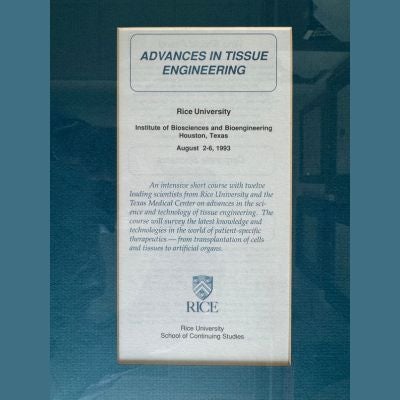
Bioengineer Antonios Mikos joined Rice in 1992 and launched the course the following summer, establishing a forum for researchers, clinicians, and industry leaders to exchange ideas and discoveries. Mikos—now the Louis Calder Professor of Bioengineering and Chemical and Biomolecular Engineering at Rice—has led the course annually since its inception.
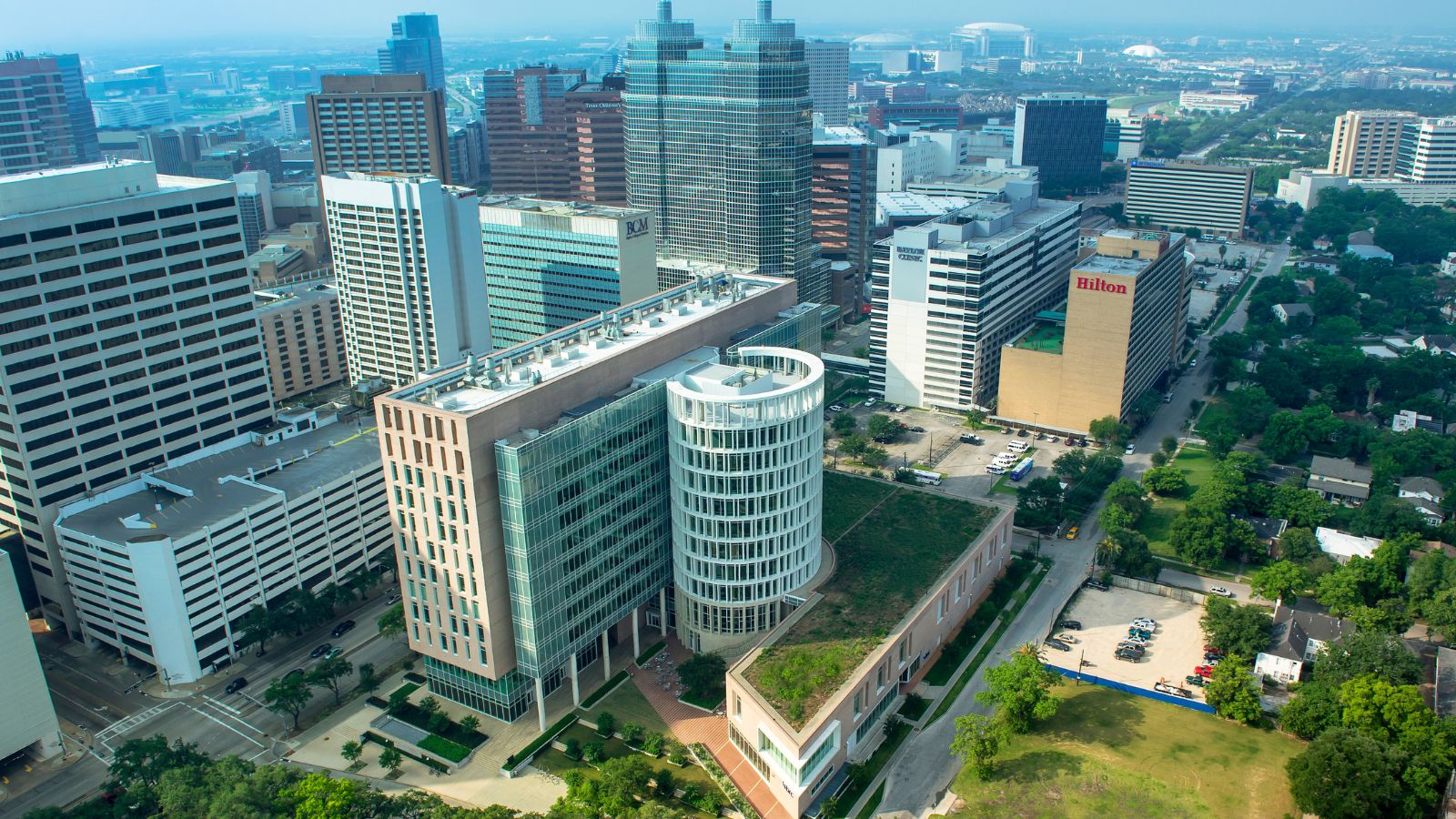
“I started this course because I wanted to create avenues for faculty and students to connect with industry, building partnerships that advance research and create pathways to internships and job placements,” said Mikos. “Our location directly across from the Texas Medical Center provides a unique opportunity to showcase the impact of collaborations between engineers and clinicians, while also giving students firsthand exposure to the broader biomedical innovation ecosystem.”
Advances in Tissue Engineering will be held virtually August 12-15, 2026, featuring experts from the United States, Europe and Asia. Lorenzo Moroni of Maastricht University in the Netherlands will deliver a keynote on biofabrication technologies for tissue engineering.
As the course celebrates its 33rd anniversary, Mikos reflects on how its ongoing dialogue parallels the field’s progress.
“At the time the course was launched, tissue engineering was an emerging field with the potential to revolutionize medicine,” said Mikos. “Over the years, tissue engineering has matured considerably, leading to the development of FDA-regulated products and groundbreaking advances such as organoids, which hold tremendous promise for improving the lives of patients with complex medical conditions. It has been deeply rewarding to witness the evolution of tissue engineering from basic research to translational science to clinical application for the betterment of society.”
Beyond showcasing innovations, the course anchors the global tissue engineering community by connecting researchers and providing mentorship for the next generation.
“The tissue engineering short course is a landmark achievement in the fields of tissue engineering and regenerative medicine,” said John Fisher, Distinguished University Professor and chair of the bioengineering department at the University of Maryland. “Few have been surprised by the profound impact this course has had on strengthening the bioengineering community.”
Fisher has presented several times at the short course, joining a network of course participants whose careers and research have been influenced by the annual event.
“I have been participating in the Tissue Engineering Short Course in various capacities since 1998,” said Johnna Temenoff, Carol Ann and David D. Flanagan Professor at the Coulter Department of Biomedical Engineering at Georgia Tech and Emory University. “The outstanding lineup of speakers each year have provided information about new trends and technologies in the field, which have guided me to new research questions for my laboratory.”
The short course also shaped the history of Rice University, including the Department of Bioengineering, established in 1997. “The short course served as a catalyst for the creation of the department by bringing together faculty, industry, and the Texas Medical Center, as well as strengthening partnerships with institutions around the world,” said Mikos. “It has played a pivotal role in positioning Rice as a global leader in tissue engineering.”
The 2026 Advances in Tissue Engineering short course is sponsored by AlloSource and Humabiologics. Registration details are available on the event website.